
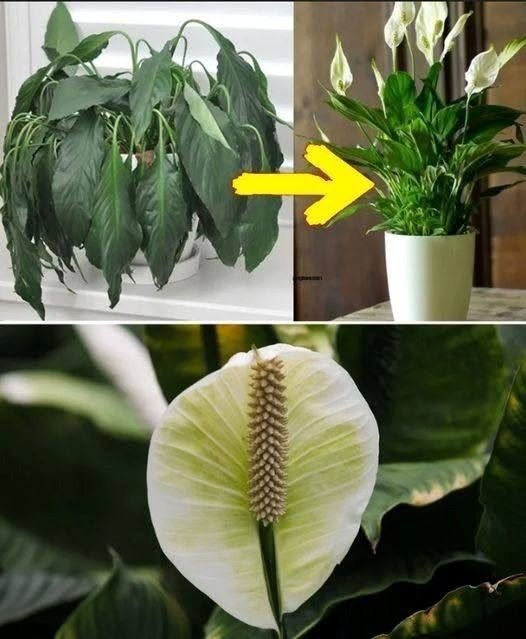
Place a Tablespoon on Any Plant at Home? Here’s What You Should Expect
Houseplants can react dramatically to small changes in care, which is why homemade gardening tricks spread so quickly online. One popular idea is to sprinkle a tablespoon of a common kitchen ingredient onto the soil and expect greener leaves, faster growth, or more flowers.
The problem is that there is no single kitchen ingredient that is safe or useful for every plant. Different plants have different nutritional, soil, moisture, and pH requirements, and concentrated household ingredients can sometimes damage roots, encourage mold, attract pests, or create excess salts in the pot.
Before adding anything to your plants, here is what common household ingredients can actually do.
1. Coffee Grounds
Used coffee grounds are one of the most popular homemade plant treatments.
They contain small amounts of nutrients and organic matter, but repeatedly adding a thick layer directly to the surface of an indoor pot can create problems.
Too much may:
- Compact the soil surface
- Slow water penetration
- Encourage mold
- Attract fungus gnats
A better approach is to add small quantities of used coffee grounds to compost rather than repeatedly covering houseplant soil with them.
Coffee grounds are not an instant fertilizer, and they will not suddenly make every plant grow faster.
2. Crushed Eggshells
Eggshells are mostly calcium carbonate, so gardeners often crush them and sprinkle them around plants hoping to provide an immediate calcium boost.
But there is one important catch: eggshells break down very slowly.
A tablespoon of crushed shells is unlikely to produce any dramatic overnight change. Finely crushed eggshells may contribute small amounts of calcium over time as they decompose, especially when incorporated into compost.
They are better viewed as a slow-decomposing organic material than a quick fertilizer.
3. Epsom Salt
Epsom salt contains magnesium sulfate.
Magnesium is an essential plant nutrient, but that does not mean every plant needs extra magnesium.
Adding Epsom salt routinely without knowing whether the soil is actually deficient can create nutrient imbalances. Yellow leaves, for example, do not automatically mean a magnesium shortage.
Yellowing can also result from:
- Overwatering
- Root damage
- Nitrogen deficiency
- Poor light
- Pests
Use Epsom salt only when there is a genuine reason rather than as a universal weekly treatment.
4. Baking Soda
Baking soda is frequently promoted online as a miracle treatment for plants.
But sodium bicarbonate contains sodium, and excessive sodium can damage roots and interfere with the plant’s ability to absorb water.
Putting a full tablespoon directly into a small pot is generally not recommended. Baking soda may occasionally appear in highly diluted garden sprays for specific purposes, but it is not a general fertilizer.
For houseplants, especially those growing in small containers, concentrated baking soda is more likely to cause trouble than provide a nutritional benefit.
5. Banana Peels
Banana peels contain potassium and other plant nutrients, which has made them extremely popular in homemade fertilizer videos.
Unfortunately, placing raw banana peels directly into indoor pots can also:
- Attract insects
- Produce unpleasant odors
- Encourage mold
- Decompose slowly
The safer option is to compost the peels first. Finished compost provides nutrients in a much more useful and predictable form.
=== PAGE BREAK – NEXT PAGE ===
6. Cinnamon
Cinnamon is another popular ingredient sprinkled over potting soil.
It is not a complete fertilizer and will not suddenly transform a struggling plant into a healthy one.
Cinnamon does contain compounds with antifungal properties, which is why some gardeners use small amounts around seedlings or cuttings. A light dusting may be useful in certain propagation situations, but large amounts should not be dumped onto the soil.
Think of cinnamon as a specialized gardening tool rather than plant food.
7. Wood Ash
Wood ash can contain potassium and calcium, but it is also strongly alkaline.
This is particularly important with houseplants because even a relatively small amount can change the chemistry of a limited volume of potting soil.
Wood ash should be avoided around plants that prefer acidic growing conditions, and container plants are especially easy to over-treat.
Do not add wood ash simply because it is “natural.”
8. Used Tea Leaves
Used tea leaves can contribute organic material when added to compost.
However, repeatedly spreading wet tea leaves directly over indoor potting soil may encourage:
- Mold
- Fungus gnats
- Reduced airflow at the soil surface
Composting the leaves first is generally more useful.
9. Compost and Worm Castings Are Usually More Predictable
If your goal is to give a houseplant a gentle nutritional boost, finished compost or worm castings are usually safer and more predictable than experimenting with random kitchen ingredients.
A thin layer can gradually contribute nutrients and improve soil structure, although even compost should be used moderately in containers.
More fertilizer is not always better.
What Happens If You Add Too Much?
Plants growing in pots have only a small amount of soil surrounding their roots.
That means salts and excess nutrients can build up surprisingly quickly.
Possible signs of overfeeding include:
- Brown leaf tips
- Yellow leaves
- Wilting even though the soil is moist
- White crust on the soil surface
- Slow growth
- Root damage
If fertilizer buildup is suspected, thoroughly flushing the soil with clean water may sometimes help, provided the container drains properly.
The Most Important Nutrient Rule
Plants do not benefit from random nutrients simply because those nutrients are natural.
They need the right nutrient in the right concentration.
For example, a plant deficient in nitrogen will not necessarily improve because you add calcium. Likewise, magnesium will not fix a plant that is suffering from poor drainage or insufficient light.
This is one of the biggest problems with viral gardening tricks: they often treat every yellow leaf as though it has the same cause.
Check the Basics Before Adding Anything
When a plant looks unhealthy, start with the fundamentals.
Light
Is the plant receiving the amount of light its species needs?
Too little light can cause weak, pale growth. Too much direct sun can scorch sensitive leaves.
Water
Is the soil constantly wet, or is it becoming excessively dry?
Overwatering is one of the most common causes of houseplant decline.
Drainage
Does excess water leave the pot freely?
Roots sitting in saturated soil can become damaged.
Roots
Has the plant become root-bound?
A plant that has filled its container with roots may need repotting rather than another homemade fertilizer.
Pests
Check the undersides of leaves and stems for pests such as:
- Spider mites
- Scale
- Aphids
- Mealybugs
These basic issues are often much more important than adding another ingredient to the soil.
A Better Way to Fertilize Houseplants
For most indoor plants, a balanced fertilizer designed specifically for houseplants is more predictable than a kitchen experiment.
Follow the label carefully.
During active growth, many plants benefit from occasional feeding. During winter or periods of slower growth, they may need considerably less.
Using a weaker solution is often safer than repeatedly overfeeding.
Are Homemade Fertilizers Ever Useful?
Yes, when used sensibly.
Materials such as:
- Finished compost
- Worm castings
- Properly decomposed organic matter
can support healthy soil.
The important difference is that these materials have already broken down rather than being added raw and concentrated directly to a small pot.
Avoid the “One Tablespoon for Every Plant” Rule
There is no universal tablespoon treatment suitable for:
- Succulents
- Orchids
- Herbs
- Tropical foliage plants
- Flowering plants
- Citrus
- Seedlings
Each has different soil and nutritional requirements.
A tablespoon that causes no problem in a large outdoor container could be far too concentrated for a tiny indoor pot.
What About Sugar?
Adding sugar directly to potting soil is another popular internet trick.
But plants already manufacture their own sugars through photosynthesis.
Ordinary table sugar does not provide roots with the balanced nutrients they need. Instead, adding it to soil can encourage:
- Microbial growth
- Mold
- Insects
It is better avoided.
What About Milk?
Milk contains minerals, but pouring it into indoor pots is not a practical fertilizer strategy.
It can quickly lead to:
- Unpleasant smells
- Mold
- Bacterial growth
- Insects
It should not be used as a replacement for proper plant fertilizer.
How to Tell Whether Your Plant Is Actually Healthy
Healthy houseplant growth generally looks like:
- Firm leaves
- Consistent new growth
- Normal leaf color
- Strong stems
- Healthy roots
- Flowering appropriate for the species
Healthy plant growth usually happens gradually. A realistic fertilizer supports steady development rather than producing an unbelievable overnight transformation.
The Bottom Line
Putting a tablespoon of something around a houseplant can produce completely different results depending on what the substance is and what the plant actually needs.
A modest amount of finished compost or worm castings may provide a gentle nutritional boost, while ingredients such as baking soda, excessive Epsom salt, raw food scraps, sugar, milk, or wood ash can create problems when used indiscriminately.
The safest rule is simple:
Identify what your plant actually needs before adding anything to the soil.
Healthy plants depend far more on proper light, watering, drainage, suitable soil, and balanced nutrition than on a viral one-tablespoon kitchen trick.
FOLYTATÁS A KÖVETKEZŐ OLDALON
